
Jukebox Saturday Night
Every October some DJ drops the needle on ‘Monster mash’ and a room full of grown adults does the graveyard shuffle. And every so often somebody rediscovers the caveman stomp of ‘Alley Oop’. Hardly anyone knows the same man was behind both records.
His name was Gary S. Paxton, and he may be the best pop producer you’ve never heard of. He also made sure you got the S right.
Quick facts
- Born Larry Wayne Stevens on 18 May 1939 in Coffeyville, Kansas
- Recorded as Flip in Skip and Flip
- Sang lead on ‘Alley Oop’ (1960) and produced ‘Monster mash’ (1962), both US number ones
- Won a Grammy at the 1977 awards for a gospel album
- Died on 17 July 2016 in Branson, Missouri, aged 77
Skip and Flip and a caveman called Alley Oop
Paxton was adopted at three and given a new name, according to his biography. The S stands for Sanford, and he was fussy about it. It was Gary S. Paxton, thanks, not Gary Paxton.
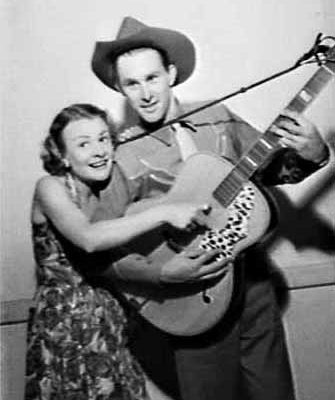
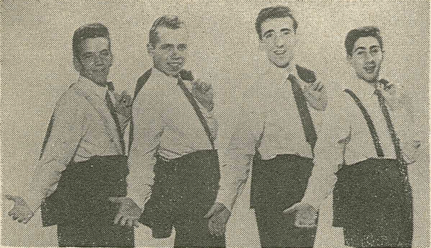
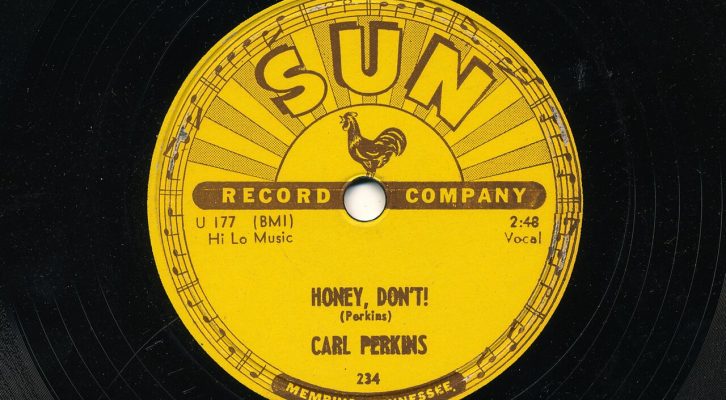
He was a young man in a hurry. His first taste of the charts came as one half of Skip and Flip with Clyde “Skip” Battin, who went on to play with the Byrds. Their 1959 single ‘It was I’ reached number 11 on the Billboard chart and ‘Cherry pie’ matched it the next year, as Best Classic Bands notes.
Then came ‘Alley Oop’. Written by Dallas Frazier and released in 1960 on the Lute label under the name the Hollywood Argyles, it went to number one on the Billboard Hot 100. There wasn’t really a band. Paxton sang lead and the name was dreamt up for the record, as he later explained. Two rival versions charted as well, by Dante and the Evergreens and by the Dyna-Sores, but his was the one that got to the top. Paxton was 21.
The song borrowed its hero from the long-running newspaper comic strip about a caveman called Alley Oop, and the record sounds like it was made by a gang of mates in a garage who couldn’t stop laughing. That was the Paxton touch. He wasn’t after polish. He wanted something that jumped out of a jukebox, and he usually got it. It’s the kind of record we love finding for the show, because the moment it starts half the room is grinning.
How ‘Monster mash’ got its spooky sound
Two years later Paxton did it again, this time from behind the desk. On his own Garpax label he produced Bobby “Boris” Pickett’s ‘Monster mash’, with Pickett doing his Boris Karloff voice.
The sound effects were pure backyard ingenuity. A rusty nail pulled slowly out of a board became the coffin lid. Water bubbled through a straw for the cauldron, and chains dropped on a tiled floor supplied the rattling, according to the song’s history. The session players were billed as the Crypt-Kickers.
Released in August 1962, it was number one on the Billboard Hot 100 for the weeks of 20 and 27 October, right on Halloween. The BBC banned it as too morbid. It kept coming back anyway, re-entering the Hot 100 in 1970 and 1973, reaching number three in the United Kingdom in 1973 and turning up at number 37 on the Hot 100 again in 2021.
Paxton kept busy through the 1960s. He produced Tommy Roe’s ‘Sweet pea’ and ‘Hooray for Hazel’, worked with Paul Revere and the Raiders and engineered the Association’s ‘Along comes Mary’ and ‘Cherish’.
The man with the elephant
He was a showman off the record as well. Paxton ran a string of labels over the years, including Garpax, Bakersfield International and NewPax, and he loved a publicity stunt. Once he staged a parade down Hollywood Boulevard with 15 cheerleaders and a live elephant. You don’t get that from most producers.
Gospel, a Grammy and forgiveness
By the late 1960s he’d moved into country music, with a label called Bakersfield International among his ventures. In 1971 Paxton became a Christian and moved into gospel music, and it turned out to be one of his best moves. His 1975 album has a title that’s a mouthful even by 1970s standards: The astonishing, outrageous, amazing, incredible, unbelievable, different world of Gary S. Paxton. It won him the Grammy for Best Inspirational Performance at the 1977 awards, the Grammy records show.
On 29 December 1980 he was shot three times in an attack. He survived, but it was years before he was properly back in the studio. Later he went to see the men responsible in prison and forgave them. In 1999 he was inducted into the Country Gospel Music Hall of Fame.
Remembering Gary S. Paxton
A 2006 documentary, Hollywood maverick: the Gary S. Paxton story, finally gave him some overdue credit. He died on 17 July 2016 in Branson, Missouri, aged 77, from complications of heart surgery and liver disease, Noise11 reported.
He never became a household name, but you’ve almost certainly danced to something he made. Remember him in our Rock n Roll Heaven tribute, or request a song. ‘Alley Oop’ could do with another run.
Frequently asked questions
Who was Gary Paxton?
Gary S. Paxton was an American singer, songwriter and record producer. He was Flip in the duo Skip and Flip, sang lead on the Hollywood Argyles’ ‘Alley Oop’ and produced Bobby “Boris” Pickett’s ‘Monster mash’. Later he became a Grammy-winning gospel artist.
What does the S stand for in Gary S. Paxton?
Sanford. He was born Larry Wayne Stevens, took a new name when he was adopted, and later insisted on being billed as Gary S. Paxton rather than plain Gary Paxton. One of his albums was even titled with the full name, Gary Sanford Paxton.
Was ‘Alley Oop’ by a real band?
Not really. The Hollywood Argyles was a name made up for the record, with Paxton singing lead. Written by Dallas Frazier, it went to number one on the Billboard Hot 100 in 1960, beating rival versions of the same song.
How did they make the sound effects on ‘Monster mash’?
Cheaply and cleverly. A rusty nail pulled out of a board made the creaking coffin, bubbling water through a straw became the cauldron, and chains dropped on a tiled floor did the rattling. Paxton produced the session.
When was ‘Monster mash’ number one?
It was released in August 1962 and sat at number one on the Billboard Hot 100 in the weeks of 20 and 27 October 1962, just in time for Halloween. The BBC initially banned it as too morbid, but it reached number three in the United Kingdom in 1973.
Did Gary Paxton win a Grammy?
Yes. His 1975 album The astonishing, outrageous, amazing, incredible, unbelievable, different world of Gary S. Paxton won the Grammy for Best Inspirational Performance at the 1977 awards. He went into the Country Gospel Music Hall of Fame in 1999.
What happened to Gary Paxton in 1980?
On 29 December 1980 he was shot three times in an attack. He survived, though it took him a long time to get back to music. He later visited the men who shot him in prison and forgave them.
When did Gary Paxton die?
Gary S. Paxton died on 17 July 2016 in Branson, Missouri, aged 77, from complications of heart surgery and liver disease. He was born on 18 May 1939 in Coffeyville, Kansas.
Did ‘Monster mash’ get you up at a school social or a Halloween party? Share your memories in the comments.
Discover more about your favourite artists on Jukebox Saturday Night.
Disclaimer: The information provided is for educational and entertainment purposes only. While we strive for accuracy, music history is often based on available documentation and interpretation.
Share On