
Jukebox Saturday Night: Sounds of the Seventies
You’re driving home in 1970 with the radio on. A police siren starts wailing and you check the mirror, slow down and pull over. Nothing’s there. The siren was coming out of your own dashboard, at the start of R. Dean Taylor’s ‘Indiana wants me’.
That really happened to people. It’s the thing everyone remembers about this record, and it’s a good way into one of the oddest singles Motown ever put out.
The sirens that fooled the drivers
Police sirens open the track and come back during the instrumental break. They were convincing enough that some motorists hearing the song on the car radio pulled over, sure there was a patrol car behind them. Radio stations ended up asking for copies without the opening sirens, according to the song’s history.
It’s hard to picture now, when every second ad has a sound effect in it. In 1970 a pop song that sounded like a traffic stop was something new.
What is ‘Indiana wants me’ about
The song is a letter from a man on the run. He killed someone for insulting his wife, and now he’s hiding out and writing to her while the law closes in. He misses her and he misses home, and he knows how it’s going to end.
It ends badly. On the main version a voice on a bullhorn tells him to come out, then you hear gunshots. About as far from ‘My girl’ as Motown got. There’s an alternate version that fades out before the shooting, which some stations preferred.
Taylor said the idea came after he watched Bonnie and Clyde, the 1967 outlaw film with Warren Beatty and Faye Dunaway. Released in August 1970 on Motown’s Rare Earth label, with ‘Love’s your name’ on the B-side, it was written, sung and produced by Taylor himself, with David Van De Pitte helping on the arrangement.
Who was R. Dean Taylor
Richard Dean Taylor was born in Toronto on 11 May 1939. He started out in 1961 playing piano and singing with country bands, and joined Motown in 1964 as a songwriter and recording artist, his biography notes.
Most of his best work at Motown happened behind the scenes. He co-wrote ‘I’ll turn to stone’ for the Four Tops and ‘All I need’ for the Temptations, both in 1967. He was also part of the Clan, the production team with Frank Wilson, Pam Sawyer and Deke Richards that gave Diana Ross and the Supremes their number one ‘Love child’ in 1968.
His own singles had a strange run of luck. ‘There’s a ghost in my house’ went nowhere in 1967, then climbed to number three in the United Kingdom in 1974 when the Northern Soul crowd took it up. ‘Gotta see Jane’ made the UK Top 20 in 1968. After ‘Indiana wants me’ he started his own label, Jane Records, in 1973 and kept recording until the mid-1980s.
That Northern Soul revival is a nice twist. The scene grew up in clubs across the north of England, where DJs and dancers went hunting for obscure American soul records nobody else was playing. A song Motown had given up on in 1967 ended up as a big British hit seven years later, purely because dancers in those clubs wouldn’t let it go.
It also tells you something about Taylor. He was a Canadian who came up through country bands and ended up writing for the biggest soul acts in Detroit, and his own records never sounded quite like anybody else’s on the label. ‘Indiana wants me’ is the strangest of the lot. It doesn’t sound much like a typical Motown single at all. It’s a sad, tuneful pop song with a cop show going on around it.
How it went on the charts
In the United States it reached number five on the Billboard Hot 100 and number one on Cash Box. It was also noted as the first Motown record by a white artist to top the Cash Box chart. In the United Kingdom it got to number two in May 1971, and it reached number two in Canada and Ireland as well.
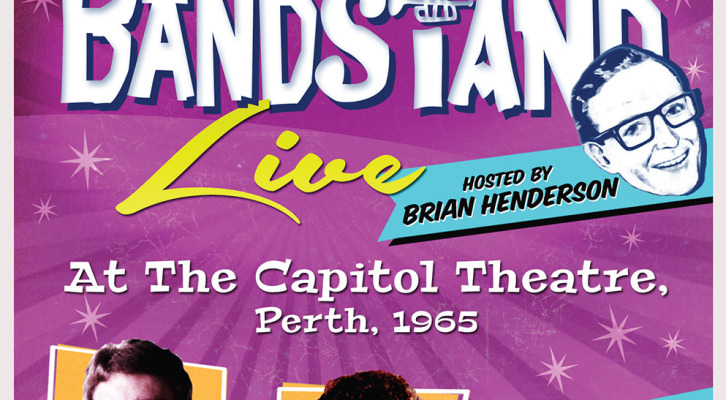
Australia was cooler on it. The song peaked at number 30 on the Kent Music Report, which makes it one of those records many of us remember hearing without it ever troubling the top ten. Taylor promoted it on Dick Clark’s American Bandstand in the United States. That’s a different show to Brian Henderson’s Bandstand here, and we couldn’t find any record of him appearing on ours.
If this is your sort of song, dust off our seventies jukebox collection, or have a look through our list of forgotten 70s bands.
The end of the road
R. Dean Taylor died in Los Angeles on 7 January 2022, aged 82, after complications from COVID-19. He’d been married to his wife Janee for 52 years. The music writer Jason Ankeny once called him one of the most underrated acts ever to record for Motown, and it’s hard to argue. In America he’s filed under one-hit wonders, but his name is on the label of a lot of records you’d know. You’ll find him among the departed greats in our Rock n Roll Heaven.
Frequently asked questions
Who sang ‘Indiana wants me’?
Canadian singer, songwriter and producer R. Dean Taylor. He wrote, sang and produced it himself, and it came out on Motown’s Rare Earth label in 1970. It was his only big hit in the United States as a performer.
When did ‘Indiana wants me’ come out?
August 1970. It reached number five on the Billboard Hot 100 that year and went to number one on the Cash Box chart. In the United Kingdom it peaked at number two in May 1971.
What is ‘Indiana wants me’ about?
A man on the run. He has killed someone who insulted his wife, and while the police close in he writes to her, knowing he probably won’t see her again. Taylor said the idea came to him after watching the 1967 film Bonnie and Clyde.
Why did some radio stations cut the sirens?
The police sirens at the start sounded so real that some drivers listening on the car radio pulled over, thinking a patrol car was behind them. Radio stations asked for copies without the opening sirens.
Does ‘Indiana wants me’ end with gunshots?
The main version does. A voice on a bullhorn orders the man to come out, followed by gunfire, which suggests he didn’t survive. There’s also an alternate version that simply fades out before the shooting.
How did ‘Indiana wants me’ go in Australia?
It was only a modest hit here, peaking at number 30 on the Kent Music Report. It did much better in the United Kingdom, Canada and Ireland, where it reached number two, and in the United States, where it made the top five.
What else did R. Dean Taylor write?
Plenty. As one of Motown’s writers he co-wrote the Four Tops’ ‘I’ll turn to stone’ and the Temptations’ ‘All I need’, both in 1967. As part of the Clan production team he helped create Diana Ross and the Supremes’ number one ‘Love child’.
Is R. Dean Taylor still alive?
No. Born in Toronto on 11 May 1939, he died in Los Angeles on 7 January 2022, aged 82, from complications of COVID-19. He had been married to his wife Janee for 52 years.
Did those sirens ever make you check the rear-view mirror? We’d love to hear your ‘Indiana wants me’ stories in the comments.
Discover more about your favourite artists on Jukebox Saturday Night.
Disclaimer: The information provided is for educational and entertainment purposes only. While we strive for accuracy, music history is often based on available documentation and interpretation.
Share On