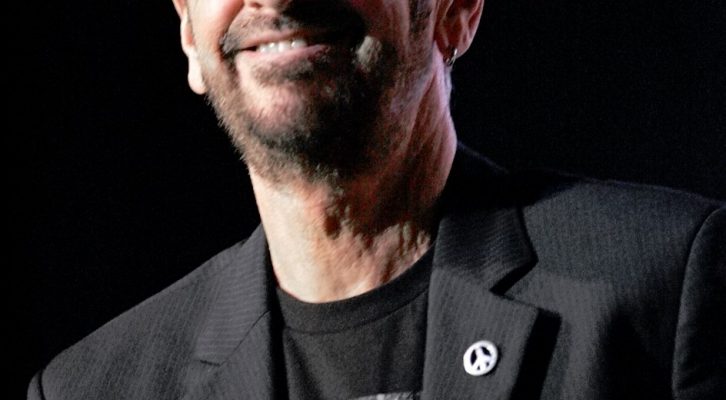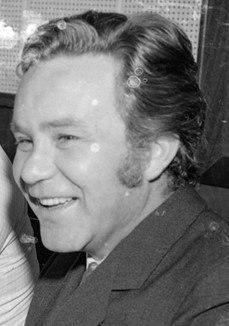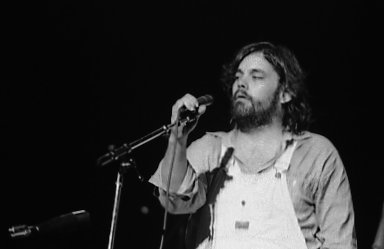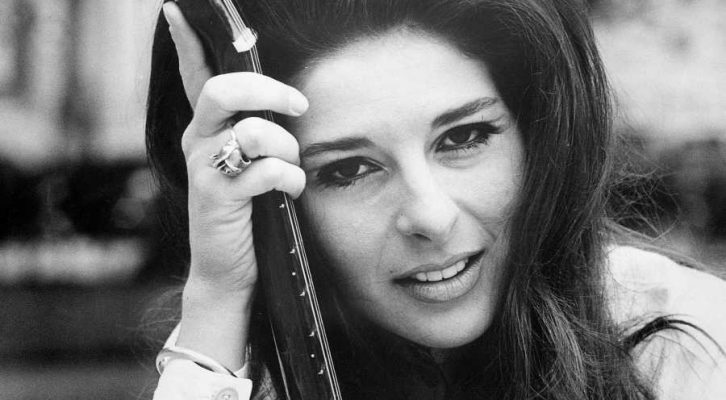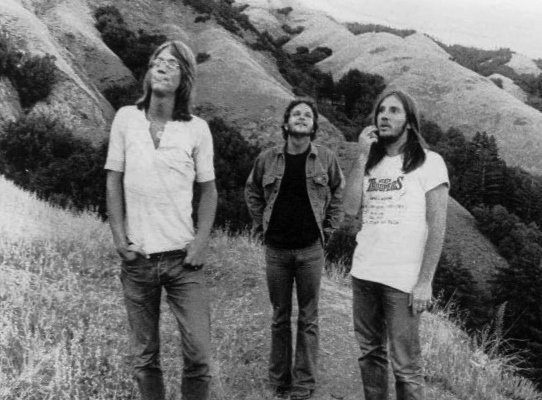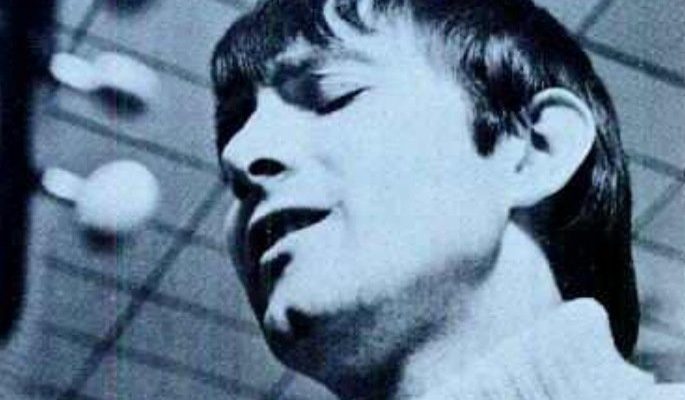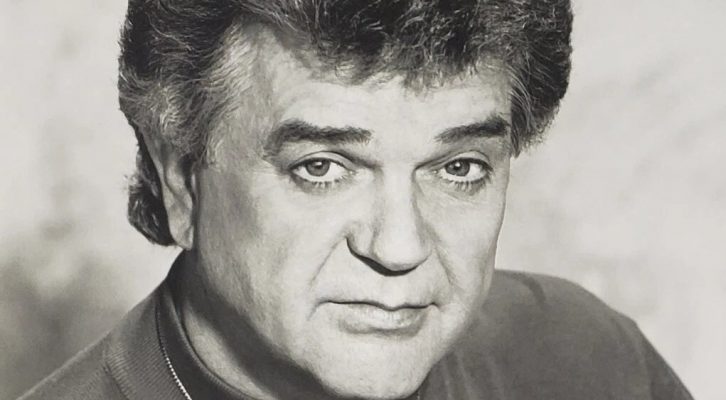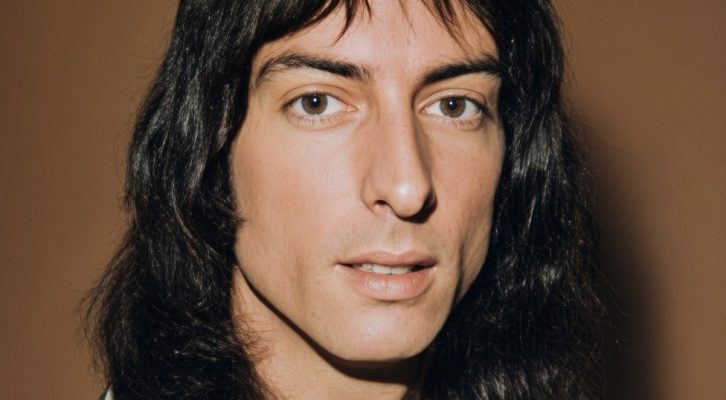
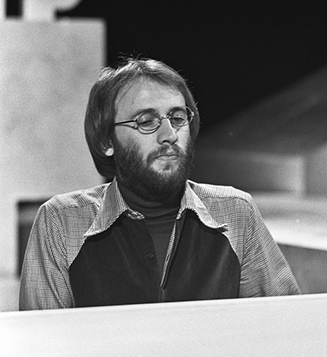
Maurice Gibb on TopPop, 1973. Photo: AVRO, CC BY-SA 3.0 nl, via Wikimedia Commons
Barry had the falsetto and the teeth. Robin had that trembling vibrato you could pick out of any radio. Maurice was the one standing a bit to the side with a bass guitar, cracking jokes between songs and filling in whatever the record needed. When he died in January 2003 a lot of us realised just how much of the Bee Gees sound had been his.
People still search for what happened to him, so we’ll answer that first. Then we’ll go back to where it all began for Maurice, which is closer to home than younger fans might think. It started at a speedway track in Redcliffe, Queensland.
What did Maurice Gibb pass away from
Maurice Gibb died from complications of a twisted small intestine. In early January 2003 he was rushed to Mount Sinai Medical Center in Miami Beach with severe stomach pain. His heart stopped before surgeons could operate. They went ahead with the emergency surgery anyway, but he never recovered.
The medical examiner later found the twist had cut off the blood supply to part of his bowel, a condition called ischaemic enteropathy, and that this may have brought on the cardiac arrest. CBS News reported it as an inherited condition. In the weeks afterwards Barry and Robin publicly questioned how quickly he’d been treated.
When did he die, and was he sober
He died on 12 January 2003, aged 53. He’d been born in Douglas on the Isle of Man on 22 December 1949, so his birthday was only a few weeks behind him.
The sobriety question comes up a lot, and the answer is yes. Maurice drank hard through the 1970s and 1980s and never pretended otherwise. In 1991 his family stepped in and he went into rehab. By published accounts he stayed off the grog for the rest of his life, and he and his wife Yvonne renewed their wedding vows in 1992 to mark it. Drinking had nothing to do with his death.
Redcliffe, the speedway and a name borrowed from two Bills
The Gibbs emigrated from England in August 1958 and settled in Redcliffe, on the bay north of Brisbane. Around 1960 the boys started singing at Redcliffe Speedway between races, after promoter Bill Goode gave them a go. Maurice and Robin were about ten.
The band’s name came out of those nights. Brisbane radio presenter Bill Gates put together his own initials, Bill Goode’s and Barry Gibb’s, and called them the BGs, according to the band’s history. So it didn’t start out meaning Brothers Gibb, whatever your mate at the pub reckons.
Redcliffe hasn’t forgotten them. Barry came back to open Bee Gees Way, a laneway of photos and memorabilia, and on 14 February 2013 he unveiled a statue of the Bee Gees by sculptor Phillip Piperides.
Sydney, Bandstand and ‘Spicks and specks’
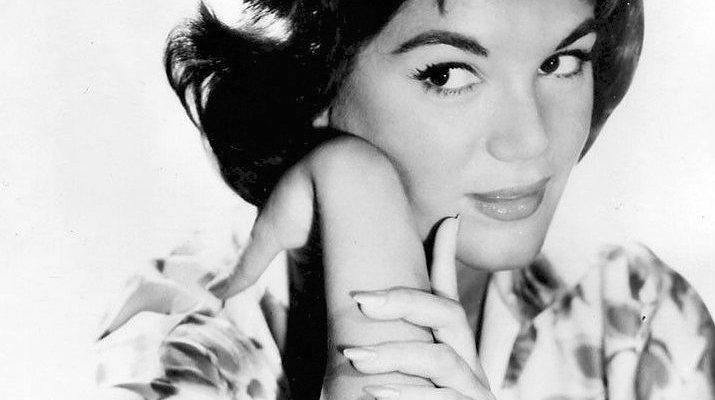
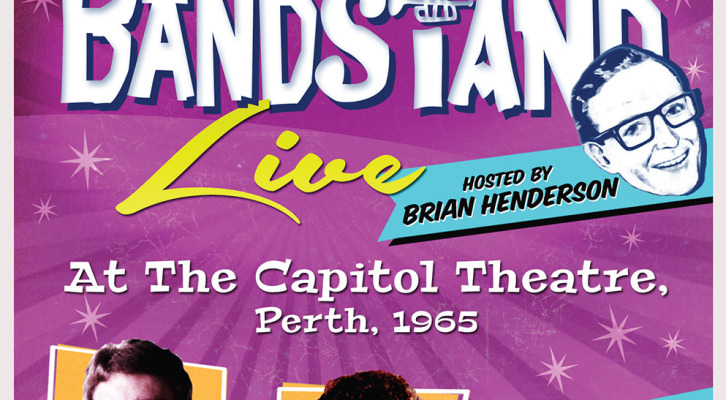
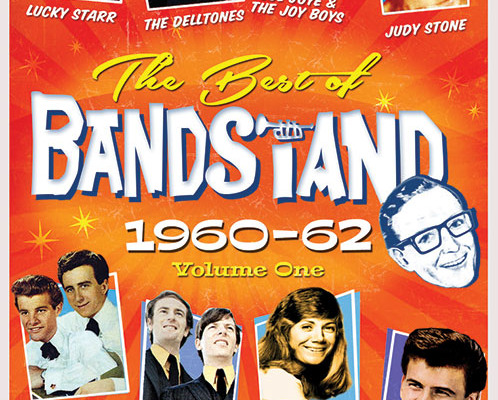
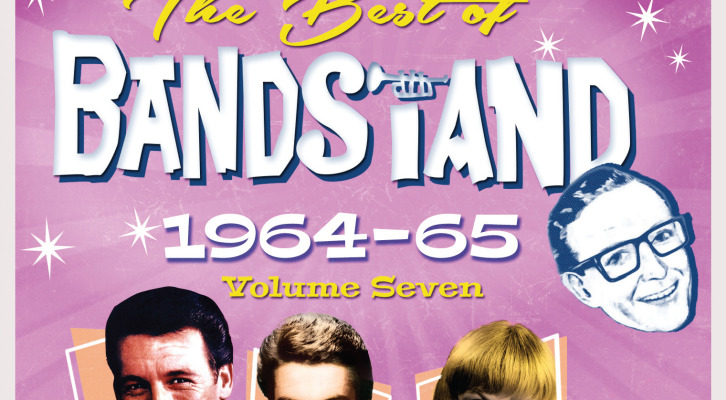
Col Joye helped the brothers land a recording deal with Festival Records’ Leedon label in 1963, and the family moved to Maroubra in Sydney. Television did the rest. The Gibbs became part of the Bandstand family on Brian Henderson’s Bandstand on TCN-9, sharing the bill with regulars like Col Joye and Little Pattie.
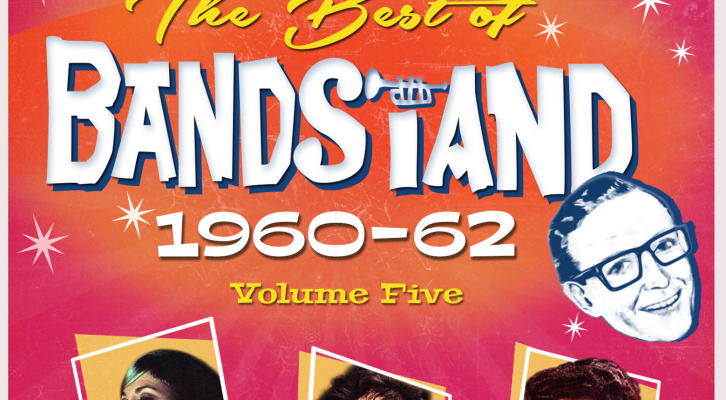
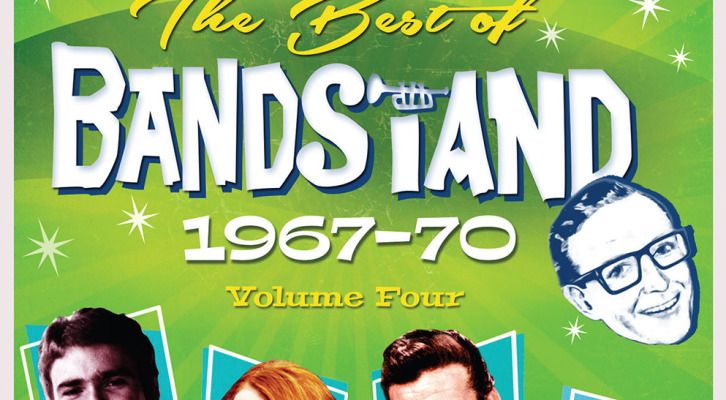
A good chunk of that footage survived. Our Bandstand presents the Bee Gees, Little Pattie and the De Kroo Brothers anthology has 14 Bee Gees items from 1963 to 1966. There’s ‘Wine and women’, ‘Spicks and specks’ and their takes on ‘Da doo ron ron’ and ‘Please please me’, plus interviews from the 1980s. Seeing Maurice at 13 or 14, singing harmony for a studio audience, is worth the price on its own.
‘Spicks and specks’ was the one that broke them. Go-Set, the big Australian pop paper of the day, named it best single of 1966. By then the family had decided to try their luck in England, and the brothers set off on 4 January 1967.
The quiet one who played a bit of everything
Once Robert Stigwood signed them in London the hits came quickly. In the studio Maurice was the utility man. He played bass, piano, guitar, organ and Mellotron, and he’s the voice holding the middle of those three-part harmonies on ‘Massachusetts’ and ‘How deep is your love’. Every so often he stepped up to sing lead, on songs like ‘Lay it on me’ and ‘On time’, and in 1970 he put out a solo single called ‘Railroad’.
He was known as the quiet Bee Gee, but that only applied off stage. During the acoustic medleys he was the clown of the three, and fans who met him remember a man who loved a yarn.
The Bee Gees went into the ARIA Hall of Fame and the Rock and Roll Hall of Fame in 1997, and Maurice was made a Commander of the Order of the British Empire (CBE) in 2002. On 23 February 2003 Barry and Robin accepted the Grammy Legend Award with Maurice’s son Adam beside them. They later retired the Bee Gees name so it would always mean the three of them. Robin died on 20 May 2012, and Barry is the last one left.
You can pay your respects to Maurice and other departed greats in our Rock n Roll Heaven tribute, or request a song and we’ll see if we can dig out an early one.
Frequently asked questions
What did Maurice Gibb pass away from?
Complications of a twisted small intestine. He went into cardiac arrest at Mount Sinai Medical Center in Miami Beach before emergency surgery could begin. The medical examiner found the twist had cut off blood flow to part of his bowel, which may have triggered the cardiac arrest. He was 53.
When did Maurice Gibb die?
On 12 January 2003 in Miami Beach, Florida. He was born on 22 December 1949 in Douglas on the Isle of Man, so he had turned 53 only a few weeks earlier. He left his wife Yvonne and their two children, Adam and Samantha.
Was Maurice Gibb sober when he died?
Yes. He drank heavily for years, but after a family intervention in 1991 he went into rehab and, by published accounts, stayed sober until his death. He and Yvonne renewed their vows in 1992 to mark his recovery. Alcohol played no part in how he died.
Were the Bee Gees on Bandstand?
Yes. The Gibb brothers were part of the Bandstand family on Brian Henderson’s TCN-9 show in Sydney in the 1960s. Studio performances from 1963 to 1966, including ‘Spicks and specks’ and ‘Wine and women’, survive on the Bandstand anthology DVD.
How did the Bee Gees get their name?
Brisbane radio presenter Bill Gates came up with it. He combined the initials of speedway promoter Bill Goode, himself and Barry Gibb to make the BGs, which became the Bee Gees. It didn’t originally stand for Brothers Gibb, even though most people assume it did.
Where did the Gibb family live in Australia?
They arrived in August 1958 and settled in Redcliffe, north of Brisbane. From 1963 to 1966 they lived in Maroubra in Sydney, and the brothers headed back to England in January 1967. Redcliffe now has Bee Gees Way and a statue of the band.
Which Bee Gees songs did Maurice sing lead on?
Maurice took the lead on a handful of tracks, including ‘Lay it on me’, ‘On time’ and ‘Country woman’. He also released a solo single, ‘Railroad’, in 1970. Most of the time, though, he was the harmony voice in the middle and the man playing bass and keyboards.
Who was Maurice Gibb’s twin brother?
Robin Gibb, the Bee Gees’ lead voice with the famous vibrato. Robin died on 20 May 2012. Their younger brother Andy, who had his own solo hits, died in 1988, leaving eldest brother Barry as the last surviving Bee Gee.
Was Maurice Gibb married to Lulu?
Yes. Maurice married Scottish singer Lulu on 18 February 1969. They separated in 1973 and divorced in 1975. He married Yvonne Spenceley on 17 October 1975 and they stayed together until his death.
Did you see the Gibb boys on Bandstand, or catch them at the speedway in Redcliffe? Tell us about it in the comments.
There’s plenty more where this came from. Discover more about your favourite artists on Jukebox Saturday Night.
Disclaimer: The information provided is for educational and entertainment purposes only. While we strive for accuracy, music history is often based on available documentation and interpretation.
Share On